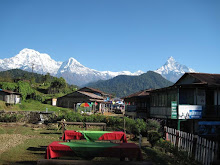
street scene in kathmandu

Monday, 29 November 2010

Links
http://thebooknews.blogspot.com
Read about two exciting new books! You already know about Rachel's Shoe - well the sequel 'The Causeway' is now available!
Also take a look at the collaborative book project 'Passage to Redemption'
Read about two exciting new books! You already know about Rachel's Shoe - well the sequel 'The Causeway' is now available!
Also take a look at the collaborative book project 'Passage to Redemption'
Sunday, 14 November 2010
Title: Project Alien InvAsion: we have to stop it!
Group: ASOCIACIóN RUTAS Y CAMINOS DE LA SAL Y PARQUE NATURAL DE LAS LAGUNAS DE LA MATA Y TORREVIEJA
(http://www.lamataparkvolunteersblogspot.com/)
The Asociación Rutas y Caminos de la Sal is a group of people of different European nationalities, which since its inception has “had as its objective the promotion, diffusion, protection, and conservation of the natural environment of the Natural Park of the Lakes of La Mata and Torrevieja”. (Art.3 Statutes of the Asociación Rutas y Caminos de la Sal)
Since 2004 the volunteers of this association have actively collaborated with the staff of the Natural Park of the Lakes of La Mata and Torrevieja in various tasks such as giving information to visitors, collating catalogues of fauna and flora in various languages, detection of incidences in the areas allocated to public use, or collecting rubbish, amongst many other things.
However it was in 2009 that this environmental volunteer group committed itself to confronting the problems arising from the introduction and expansion of exotic invasive vegetation (VEI) in this Protected Natural Area.(ENP). The project of “Alien Invasion” was launched.
The above project is based mainly in noting not only the causes but also the consequences of the introduction of this type of species into the Park. With this in mind the project is based on two major and indivisible concepts: alerting the local population to and control of the exotic invasive species of vegetation.
To achieve this the staff of the Protected Natural Area (ENP) train the volunteers and plan the work schedule, organising this in four work groups: Communication, Elimination, Posters and Detection and Control.
Since December 2009 until now the volunteers have taken part in 12 activities, which have eliminated some 77 cubic metres of invasive species such as Carpobrotus sp, Yucca alaifolia, Opuntia subulata and Aptenia sp, among others. These actions have resulted in the recuperation of an area of 1650 square metres.
Group: ASOCIACIóN RUTAS Y CAMINOS DE LA SAL Y PARQUE NATURAL DE LAS LAGUNAS DE LA MATA Y TORREVIEJA
(http://www.lamataparkvolunteersblogspot.com/)
The Asociación Rutas y Caminos de la Sal is a group of people of different European nationalities, which since its inception has “had as its objective the promotion, diffusion, protection, and conservation of the natural environment of the Natural Park of the Lakes of La Mata and Torrevieja”. (Art.3 Statutes of the Asociación Rutas y Caminos de la Sal)
Since 2004 the volunteers of this association have actively collaborated with the staff of the Natural Park of the Lakes of La Mata and Torrevieja in various tasks such as giving information to visitors, collating catalogues of fauna and flora in various languages, detection of incidences in the areas allocated to public use, or collecting rubbish, amongst many other things.
However it was in 2009 that this environmental volunteer group committed itself to confronting the problems arising from the introduction and expansion of exotic invasive vegetation (VEI) in this Protected Natural Area.(ENP). The project of “Alien Invasion” was launched.
The above project is based mainly in noting not only the causes but also the consequences of the introduction of this type of species into the Park. With this in mind the project is based on two major and indivisible concepts: alerting the local population to and control of the exotic invasive species of vegetation.
To achieve this the staff of the Protected Natural Area (ENP) train the volunteers and plan the work schedule, organising this in four work groups: Communication, Elimination, Posters and Detection and Control.
Since December 2009 until now the volunteers have taken part in 12 activities, which have eliminated some 77 cubic metres of invasive species such as Carpobrotus sp, Yucca alaifolia, Opuntia subulata and Aptenia sp, among others. These actions have resulted in the recuperation of an area of 1650 square metres.
Sunday, 7 November 2010
Cartagena Romans and Carthagenians
Recently a few of my friends and I visited Cartagena to see the Romans and Carthagenians parade. Wow! A couple of hours of exotic costumes, music and dance...
We were lucky to find a bar/restaurant on the main street and sat in comfort sipping wine and savouring tapas as the parade passed only a couple of metres from our table!
A fabulous evening out - just one of the many first class celebrations that take place here throughout the year.......
We were lucky to find a bar/restaurant on the main street and sat in comfort sipping wine and savouring tapas as the parade passed only a couple of metres from our table!
A fabulous evening out - just one of the many first class celebrations that take place here throughout the year.......
Protecting the environment in Spain
Here at home in Spain our local group of environmental volunteers visited an exhibition in Valencia and guess what - we were the stars of the show!
Our group was 'mentioned in dispatches' for the work we have done pulling up invasive plants and replacing them with indigenous ones - as you can see on a couple of the photos of the exhibition boards
This project brings us together for some 'hands on' environmental work with the staff of our local Nature Reserve --and is great fun!
Our group was 'mentioned in dispatches' for the work we have done pulling up invasive plants and replacing them with indigenous ones - as you can see on a couple of the photos of the exhibition boards
This project brings us together for some 'hands on' environmental work with the staff of our local Nature Reserve --and is great fun!
Tuesday, 2 November 2010

Tuesday, 22 June 2010
Nepal – a land of mystic beauty!
The Himalayan country Nepal is known as a unique natural, cultural and adventurous destination in the tourism map of the world. Nepal is a land of eternal attraction, a place where one visit is hardly ever enough. It's a land of colorful cultures, ancient history and people, superb scenery and some of the best walking on earth.
Natural Beauty: Nepal is a land of stunning natural beauty, with hundreds of miles of forested hiking trails, rivers and streams, green lush valleys and hillside villages filled with rural women who sing folk songs as they tend rice paddies. The snowy peaks of Mount Everest and Annapurna draw thousands of trekkers and climbers from around the world. People from around the world come to Nepal, dream of Nepal, because of the natural environment. Nepal is a heaven for nature lovers.
Geographical and cultural diversity: Nepal is one of the richest countries in the world in terms of bio-diversity due to its unique geographical position and latitudinal variation. The elevation of the country ranges from 60 m above sea level to the highest point on earth, Mt. Everest at 8,848 m, all within a distance of 150 km with climatic conditions ranging from subtropical to arctic. This wild variation fosters an incredible variety of ecosystems, the greatest mountain range on earth, thick tropical jungles teeming with a wealth of wildlife, thundering rivers, forested hills and frozen valleys.
Within this spectacular geography is also one of the richest cultural landscapes anywhere. The country is a potpourri of over 100 ethnic groups and sub-groups who speak their own languages and dialects. The peaceful coexistence of multi-religious system and beliefs is one of the most fascinating aspects of Nepal, where over 100 ethnic groups with their own religious, cultures, languages and life-styles exists, is unique among the cultures of the world.
People: With the population of thirty million, Nepal is a melting pot of many races and tribes. The main characteristic of Nepali people is their simplicity and hospitality. Nepalese are simple in every way. Their means of livelihood, way of life, dresses, expenses etc. are all simple! They are very friendly and cooperative.
Nepalese are well known for their hospitality. Nepalese have a saying “aateethee deva bhawa” which means ‘guests equal god’. The way Nepali respect and honor the guests are finest in the world. Thousands of tourists return Nepal every year just because of Nepali people and their simplicity and hospitality!
Kathmandu valley: Kathmandu - Nepal’s capital is slowly turning into a modern metropolis, but within its bustling streets and squares remain numerous temples and monuments of great beauty and historical significance. The rich tapestry of the cultural heritage of Nepal is synthesized in Katmandu, representing an epitome of harmony in urban design, elegant architecture, refined culture, colorful bazaars and simple hospitable people. Once a separate kingdoms in it, Kathmandu valley contains three fabled cities - Kathmandu, Patan and Bhaktapur. Out of ten UNESCO World Heritage Sites in Nepal, seven cultural heritage sites are in Kathmandu Valley. All those heritage sites are like open museums!
Trekkers’ paradise: Nepal is a trekkers’ paradise! Trekking in Nepal is to travel by foot in the remote and unexposed mountainous areas where life has not changed in generations. In a trekking, people walk through picturesque village and valleys, deep gorge and passes, river and forests, mixing with the people and their unique way of life and sampling the breathtaking scenery which offers a unique blend of physical challenge, mental relaxation and spiritual uplift. Nepal offers varieties of options of day hikes to three weeks trek.
Accessibility:
You can fly to Kathmandu from Los Angeles, New York, London, Paris, Frankfurt, Vienna, Amsterdam, Doha, Dubai, Dhaka, Karachi, Munich, Abu Dhabi, Istanbul, Bahrain, Paro, Lhasa, Chengdu, Guanghhou, Bangkok, Hong Kong, Singapore, Seoul, Kuala Lumpur, Tokyo, New Delhi, Mumbai, Patna, Calcutta, Varanasi etc.
Nepal Airlines, Thai Airways, Qatar Airways, Indian Airlines, Pakistan International Airlines, Biman Bangladesh, Gulf Air, Indian Airlines, Jet Lite, Jet Airways, Air China, Druk Air,Silk Air, GMG Airlines, Ethihad Airways, Air Arabia,Dragon Air, China Southern, Korean Air fly to Nepal regularly.
Summary: Nepal offers an astonishing diversity of sightseeing attractions and adventure sport, travel & tours opportunities found nowhere else on earth. The influx of new sights and sounds are full of energy and life, and rich with genuine excitement.
Tourism in Nepal is the most important sector of the economy after agriculture, and contributes substantially to uplifting the quality of life of her people. As a socio-economic activity, tourism touches the life of every Nepali citizen in one way or another.
For comments: sunilbajracharya@gmail.com
The Himalayan country Nepal is known as a unique natural, cultural and adventurous destination in the tourism map of the world. Nepal is a land of eternal attraction, a place where one visit is hardly ever enough. It's a land of colorful cultures, ancient history and people, superb scenery and some of the best walking on earth.
Natural Beauty: Nepal is a land of stunning natural beauty, with hundreds of miles of forested hiking trails, rivers and streams, green lush valleys and hillside villages filled with rural women who sing folk songs as they tend rice paddies. The snowy peaks of Mount Everest and Annapurna draw thousands of trekkers and climbers from around the world. People from around the world come to Nepal, dream of Nepal, because of the natural environment. Nepal is a heaven for nature lovers.
Geographical and cultural diversity: Nepal is one of the richest countries in the world in terms of bio-diversity due to its unique geographical position and latitudinal variation. The elevation of the country ranges from 60 m above sea level to the highest point on earth, Mt. Everest at 8,848 m, all within a distance of 150 km with climatic conditions ranging from subtropical to arctic. This wild variation fosters an incredible variety of ecosystems, the greatest mountain range on earth, thick tropical jungles teeming with a wealth of wildlife, thundering rivers, forested hills and frozen valleys.
Within this spectacular geography is also one of the richest cultural landscapes anywhere. The country is a potpourri of over 100 ethnic groups and sub-groups who speak their own languages and dialects. The peaceful coexistence of multi-religious system and beliefs is one of the most fascinating aspects of Nepal, where over 100 ethnic groups with their own religious, cultures, languages and life-styles exists, is unique among the cultures of the world.
People: With the population of thirty million, Nepal is a melting pot of many races and tribes. The main characteristic of Nepali people is their simplicity and hospitality. Nepalese are simple in every way. Their means of livelihood, way of life, dresses, expenses etc. are all simple! They are very friendly and cooperative.
Nepalese are well known for their hospitality. Nepalese have a saying “aateethee deva bhawa” which means ‘guests equal god’. The way Nepali respect and honor the guests are finest in the world. Thousands of tourists return Nepal every year just because of Nepali people and their simplicity and hospitality!
Kathmandu valley: Kathmandu - Nepal’s capital is slowly turning into a modern metropolis, but within its bustling streets and squares remain numerous temples and monuments of great beauty and historical significance. The rich tapestry of the cultural heritage of Nepal is synthesized in Katmandu, representing an epitome of harmony in urban design, elegant architecture, refined culture, colorful bazaars and simple hospitable people. Once a separate kingdoms in it, Kathmandu valley contains three fabled cities - Kathmandu, Patan and Bhaktapur. Out of ten UNESCO World Heritage Sites in Nepal, seven cultural heritage sites are in Kathmandu Valley. All those heritage sites are like open museums!
Trekkers’ paradise: Nepal is a trekkers’ paradise! Trekking in Nepal is to travel by foot in the remote and unexposed mountainous areas where life has not changed in generations. In a trekking, people walk through picturesque village and valleys, deep gorge and passes, river and forests, mixing with the people and their unique way of life and sampling the breathtaking scenery which offers a unique blend of physical challenge, mental relaxation and spiritual uplift. Nepal offers varieties of options of day hikes to three weeks trek.
Accessibility:
You can fly to Kathmandu from Los Angeles, New York, London, Paris, Frankfurt, Vienna, Amsterdam, Doha, Dubai, Dhaka, Karachi, Munich, Abu Dhabi, Istanbul, Bahrain, Paro, Lhasa, Chengdu, Guanghhou, Bangkok, Hong Kong, Singapore, Seoul, Kuala Lumpur, Tokyo, New Delhi, Mumbai, Patna, Calcutta, Varanasi etc.
Nepal Airlines, Thai Airways, Qatar Airways, Indian Airlines, Pakistan International Airlines, Biman Bangladesh, Gulf Air, Indian Airlines, Jet Lite, Jet Airways, Air China, Druk Air,Silk Air, GMG Airlines, Ethihad Airways, Air Arabia,Dragon Air, China Southern, Korean Air fly to Nepal regularly.
Summary: Nepal offers an astonishing diversity of sightseeing attractions and adventure sport, travel & tours opportunities found nowhere else on earth. The influx of new sights and sounds are full of energy and life, and rich with genuine excitement.
Tourism in Nepal is the most important sector of the economy after agriculture, and contributes substantially to uplifting the quality of life of her people. As a socio-economic activity, tourism touches the life of every Nepali citizen in one way or another.
For comments: sunilbajracharya@gmail.com
Subscribe to:
Posts (Atom)